
CER: Energy Storage in Canada May Multiply by 2030
Source: Canada Energy Regulator | · ENERGI MEDIA · | August 5, 2025
There are 27 energy storage projects with regulatory approval proposed to come online by 2030
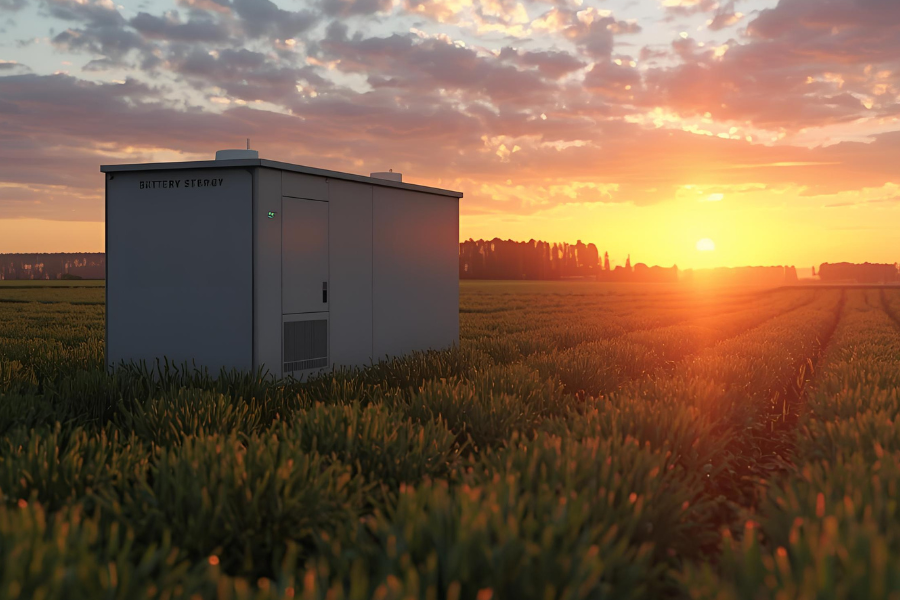
The installed capacity of energy storage larger than 1 MW—and connected to the grid—in Canada may increase from 552 MW at the end of 2024 to 1,149 MW in 2030, based solely on 12 projects currently under construction. There are an additional 27 projects with regulatory approval proposed to come online by 2030, which—if all were to be built—could further boost Canada’s energy storage capacity to 2,768 MW. For comparison, Alberta’s all-time hourly peak electricity demand was 12,384 MW during a 2024 January cold snap.
The first energy storage project in Canada, the Sir Adam Beck Pump Generating Station, came online in 1957. However, the next project did not come online until 2013. There are three main types of energy storage currently commercially available in Canada:
Pumped Storage Hydropower (PSH)
Compressed Air Energy Storage (CAES)
Battery Energy Storage Systems (BESS)
Storage is playing an increasingly important role in the electricity system by improving grid reliability and power quality, and by complementing variable renewable energy sources (VRES) like wind and solar. This is predominantly by recharging during periods of low demand, then discharging when demand is high—which can also correlate with cost fluctuations. Electricity demand is projected to increase over the next five years worldwide, with VRES projected to continue growing too, indicating that energy storage’s role may keep increasing in the future.
BESS is the fastest growing energy storage technology in Canada and is also the dominant storage technology in terms of capacity and number of sites. All but four projects proposed to be commissioned by 2030 are battery storage, with two CAES and two PHS projects also proposed. BESS projects generally have smaller footprints (when compared to PSH and CAES) and they have the ability to scale up in size