
Decentralised Energy Canada
+10,000
Engaged Stakeholders and Qualified Workers
23+
Years of Experience
121
Members
70%
of Canada's Provinces & Territories Served
$32.3B+
Members’ Gross Revenue
MISSION
Our mission is to inform, inspire, and enable innovation to create a decentralised energy industry that accelerates Canada’s transition to a sustainable, secure and affordable energy future.
OUR MEMBERS
We know them well. When you join DEC, it’s our job to fully understand your business and your market. DEC membership is a strategic investment in growth, insight, and success.
DEC works with members to:
Create opportunities: We connect members with customers, partners, and investors to advance real projects.
Shape markets: We raise awareness and build demand through education, thought leadership, and targeted outreach.
Influence policy: We ensure member insights are communicated to policy makers, regulators, and funding programs.
Accelerate growth: We provide market intelligence and convene a fragmented industry to move faster, together.
CORPORATE STRUCTURE
Federally incorporated under Canada’s Not-for-Profit Corporations Act.
Registered as an extra provincial corporation in Alberta.
Governed by an elected Board of Directors and managed by a President.
The Executive Committee is comprised of the Chair, Vice-Chair, Secretary, Treasurer and President.
CANADA’S MARKET ACCESS HUB
Decentralised Energy Canada (DEC) is the national voice of Canada’s decentralised energy industry—bringing together the companies and institutions shaping the future of energy systems.
With more than two decades of experience, DEC has helped bring decentralised energy projects to life while elevating the companies leading this transition. Our members aren’t just participating in the energy transition—they are defining it.
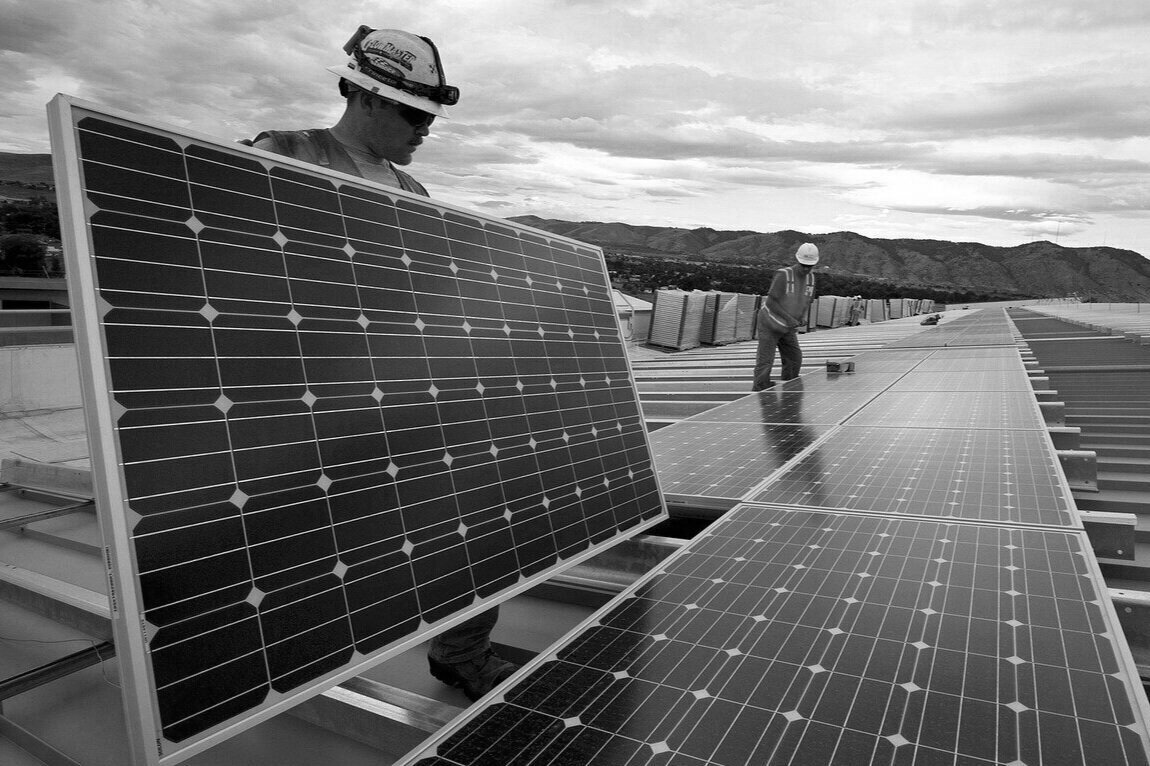
Decentralised energy (DE) shifts energy generation closer to where it is used—both electricity and thermal energy—providing greater resilience and diversified sources of energy when compared with the traditional centralised model. DE systems leverage local resources such as solar, wind, gas, geothermal, and hydrogen using technologies like microgrids, district energy, energy storage, heat pumps, and an exploding field of grid edge solutions and prosumer software services that are redefining the way we generate and consumer energy.
Established in 2003
We have been at the forefront of advancing decentralised energy solutions and shaping the transition to a more resilient, sustainable, and competitive energy future.
DEC was established by a visionary group of industry leaders, innovators, and champions who recognised that decentralised energy would play a critical role in transforming how energy is generated, managed, and consumed. They saw the need for a dedicated national association to accelerate market development, foster collaboration, and advocate for policies that support energy innovation.
That vision has become increasingly relevant.
Today, DEC's members are leading the deployment of technologies and business models that empower communities, businesses, and nations to strengthen their energy sovereignty, improve reliability, reduce emissions, and enhance resilience against climate instability and geopolitical uncertainty.
From its inception, DEC has measured success not only through technological advancement and market growth, but also through broader societal impact. The organisation's founders believed that a thriving decentralised energy sector should contribute to stronger local economies, a more diverse and skilled workforce, more resilient and intelligent communities, and healthier ecosystems for future generations.
As the decentralised energy landscape continues to evolve, so does DEC. We remain committed to advancing innovation, building industry capacity, and creating the conditions for a secure, prosperous, and sustainable energy future.
Our Impact
In 2003, awareness of decentralised energy was limited and reliable market information was scarce. One of DEC's first priorities was to bring together early adopters, innovators, researchers, and policymakers to establish a unified voice for the sector and build a foundation of market intelligence.
DEC has cultivated one of Canada's most diverse and inclusive energy innovation networks, now reaching more than 10,000 subscribers across the decentralised energy value chain. Today, it remains the only national network dedicated exclusively to advancing decentralised energy solutions.
Our industry contributions have helped strengthen Canada's competitive advantage by increasing awareness of the technological transformations reshaping how energy is generated, managed, and consumed. DEC’s programs and initiatives have showcased innovations in cyber-physical systems, digitalisation, automation, distributed energy resources, and the Internet of Things.
Collaboration has been key to our progress. By working with a broad range of strategic partners—including municipalities, utilities, educational institutions, accelerators, Indigenous organisations, and government agencies—DEC has earned a reputation as a trusted industry ecosystem builder with a unique ability to convene stakeholders, foster collaboration, and enable impactful multi-partner projects.
What we do
Areas of Expertise
We specialise in the following areas that are impacting our business ecosystem:
Systems Integration and Controls
Electrification
Grid Integration of Renewables
Microgrids and Smart Grids
Automation, AI, Machine Learning
Workforce Retooling

How We Do It
We support industry champions and leaders by:
Connecting our vast network to stimulate industry growth.
Matching technology providers, end-users, and investors.
Providing front line market insights.
Delivering training.
Collaborating with complementary organisations.

Value Proposition
Adopt enhanced business operations that benefit the workforce – including diversification and inclusion in the workplace.
Design innovative business models that can respond to the needs of deep industry disruption.
Attract capital from investors that value sustainability and environmental improvements.
Collaborate with businesses throughout the value chain to spark creativity and innovation.