Building Grid Resilience through Partnerships
Source: | · ENERGY CHANGEMAKERS· | June 16, 2025
Real world projects exhibit the value of forming energy alliances
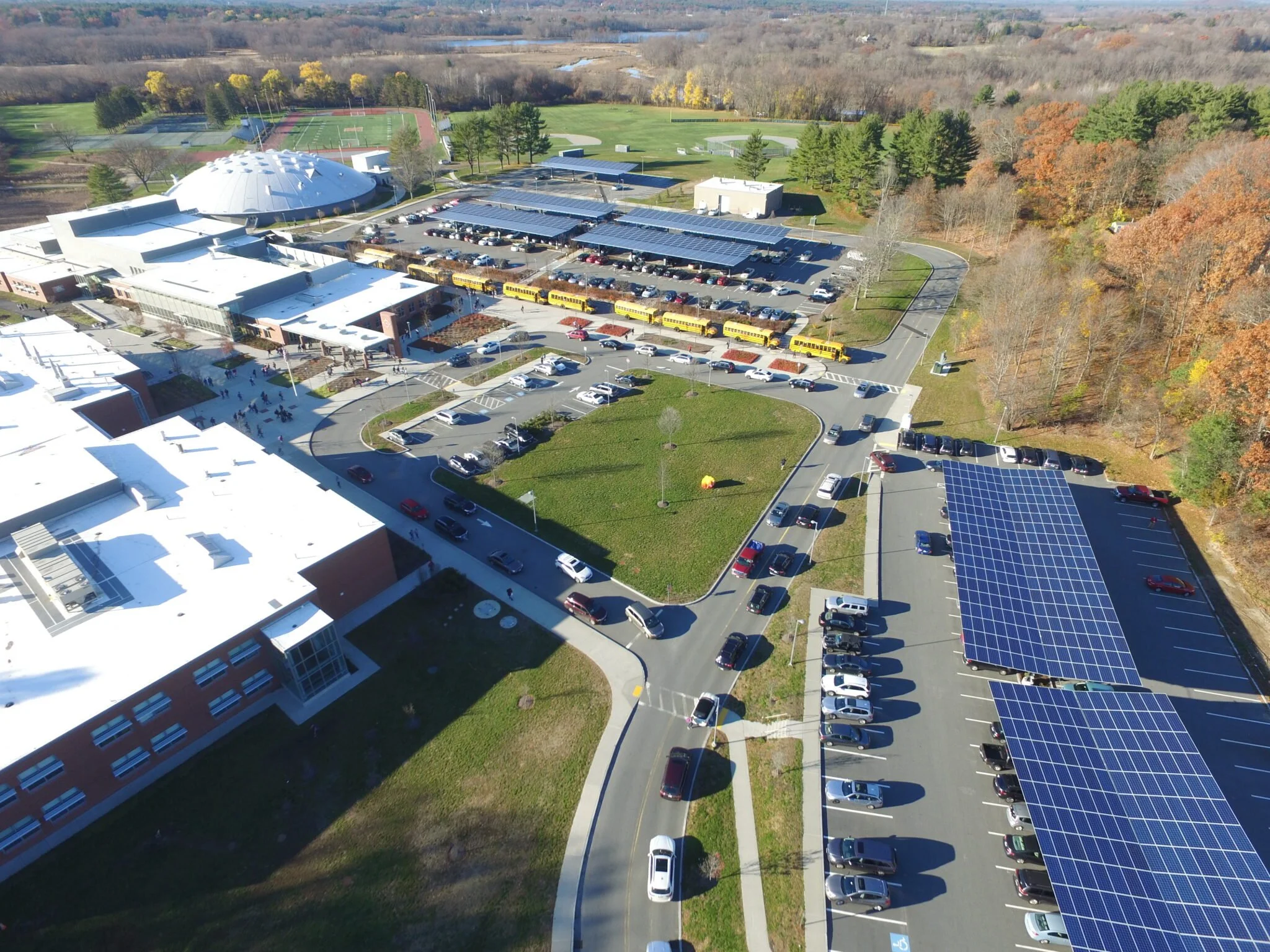
The benefits of grid resilience to municipalities and utilities become clear when examining real-world energy projects. They demonstrate how communities are implementing solutions that unlock resilience benefits such as less grid downtime and improved public health and safety as well as far-reaching community benefits including:
Increased access to local energy for constituents.
Employment opportunities for the local workforce to install, operate and maintain DERs.
Renewables integration to support decarbonization targets.
Enhanced sense of community thanks to investment in critical infrastructure.
Improved access to resources—be it everyday electricity or emergency services.
Here are three examples of successful partnerships among communities, utilities and energy service providers that improve the grid and achieve mutually beneficial outcomes.
Kūpono Solar Project
In O’ahu, Hawaii, Hawaiian Electric (HECO), the U.S. Navy and the O’ahu community partnered with an energy solutions partner to develop the largest solar and BESS facility on the island. Located at Joint Base Pearl Harbor-Hickam, it delivers 42 MW of renewable energy to the local grid. The Kūpono Solar Project enables the island to reduce its dependence on imported fossil fuels and supports energy resilience, reliability, security, and affordability on the island. Community and customer benefits include stabilized cost of energy for HECO customers, reduced carbon emissions, progress supporting Hawaii’s renewable energy goals, and creation of local jobs.