The Iqaluit Nukkiksautiit Project is Transformative for Nunavut - What Can We Learn from the Local Leaders Behind it?
Source: Lynne Couves | · LINKEDIN · | November 19, 2025
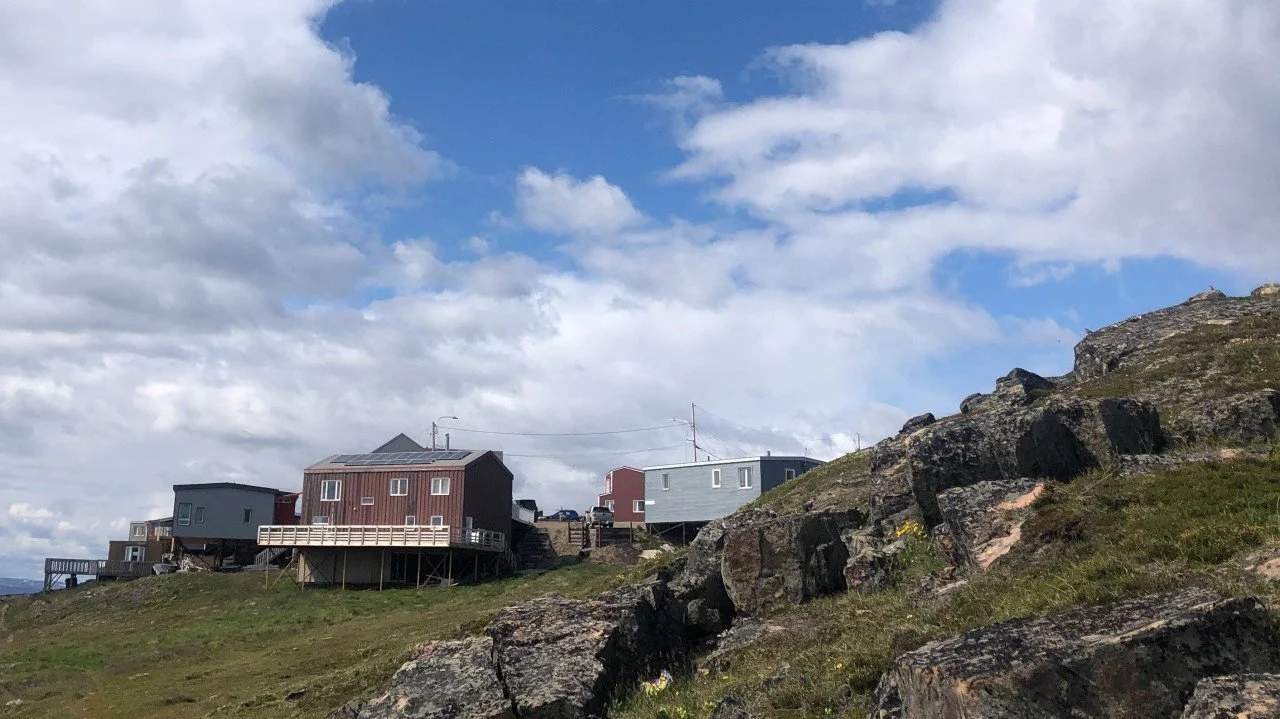
Last week, the federal government announced that the Iqaluit Nukkiksautiit Project will be fast-tracked through the major projects office, meaning it will be advanced as a project of national importance and significance.
This 15-30 MW hydro power project, led by the Nunavut Nukkiksautiit Corporation, will transform how energy is generated and used in Nunavut. For Nunavut—and for Canada’s remote energy landscape—this is a milestone well-worth celebrating and reflecting on.
Our research at the Pembina Institute closely follows the work of energy leaders in remote communities across Canada. Here are our 3 takeaways following last week’s announcement:
1. This project is a game-changer for Nunavut and the North at large
Nunavut is almost 100% reliant on imported diesel for heat and electricity. Once completed, this project will replace nearly 15 million litres of diesel used annually for electricity in Iqaluit, the territory’s capital.
Today, Nunavut and the federal government spend over $60 million every year subsidizing diesel. These costs are only rising - electricity rates in Iqaluit have increased by more than 22% in the past five years.
By reducing diesel dependence, the project will:
Cut federal, territorial, and consumer costs of energy
Reduce environmental risks
Modernize outdated infrastructure
Diversify Nunavut’s energy system with cleaner, more reliable options
It cannot be overstated just how necessary and impactful a project like this is for the territory, which has long struggled against the headwinds of high fuel costs and outdated and inefficient energy infrastructure. As the largest renewable energy project to ever break ground in Nunavut, the project carries both local and national impacts which extend beyond climate, and beyond the region itself, with far reaching impacts for job creation and economic development, each critical for enhancing Canada’s climate competitiveness. The project’s myriad benefits demonstrate the significance of supporting clean energy development across the North, from arctic security and resilience to sovereignty and economic reconciliation.