Q&A with TAKEnergy: Harnessing Wasted Energy to Power a Sustainable Future
Source: Patricia Faucher | · DEC · | September 2025

Founded in 2021 by five Calgary business leaders, TAKEnergy is pioneering a way to transform wasted energy into clean power. Their innovative expander technology recovers energy typically lost during pressure reduction processes, where high-pressure fluids, such as natural gas, refrigerants, and other process gases, must be reduced before use or distribution. The expander converts this otherwise wasted energy into reliable, zero-emission electricity. It is a decentralised energy solution for industries that lowers electricity costs while helping to achieve their sustainability goals.
DEC sat down with James Cleland, President of TAKEnergy, to hear more about the company’s journey, innovations, and ambitions for the future.
We harness energy that would otherwise be wasted, transforming it into clean, reliable electricity. It’s a powerful story of efficiency and impact.
James, let’s start with your story. What inspired the creation of TAKEnergy and what excites you most about this journey?
Honestly, the strength of our business is the people behind it. We’re five partners, each with strong backgrounds in different parts of industry, and several of us have worked together before. It’s a very accomplished team and we enjoy working together, that’s a huge part of why this works.
The business itself was born out of opportunity. One of my partners saw potential in commercialising a new technology that harnessed energy losses from pressure drops in natural gas systems. At first, we planned to license and collaborate with a technology provider, but deeper analysis revealed design gaps. That pushed us to come up with our own expander technology, which has been a real success.
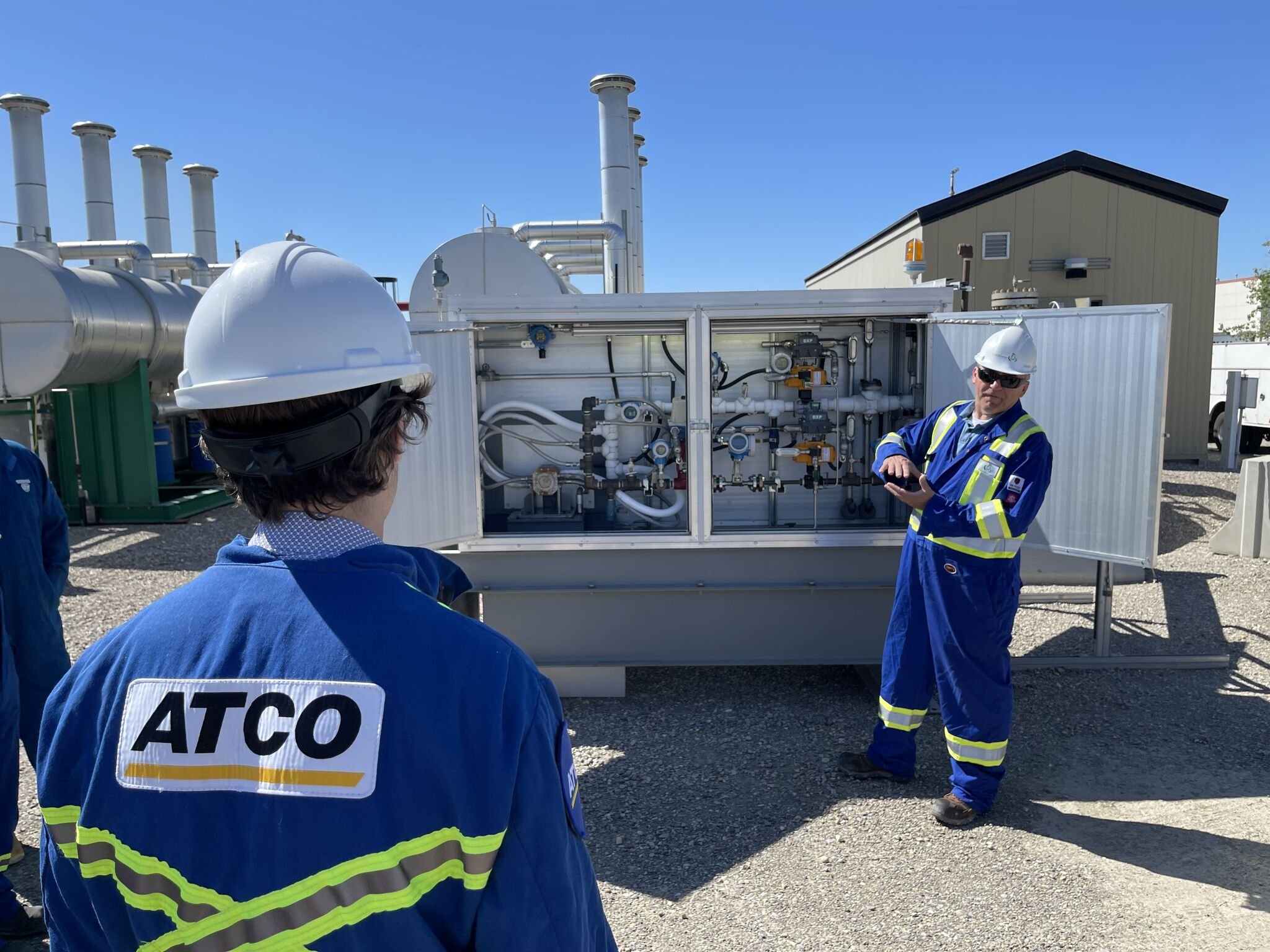
Today, we’re running a pilot project with ATCO, one of Alberta’s largest gas utilities. The technology has performed extremely well. For me, though, it’s not just about the engineering, it’s about the combination of strong partners, a new and impactful technology, and the sense of fun we bring to our work. We’re serious about the mission, but we also enjoy the process. That balance keeps us moving forward.

If there’s a pressure drop, there’s probably an opportunity to recover energy.
Your technology is often compared to turbo expanders. Can you clarify how your expanders work and how they support decentralised energy systems?
There's a distinction to make. We’re not a turbo expander technology. Turbo expanders are turbine-based and usually very large, capital-intensive machines. Our technology is referred to as “expanders.” They operate at lower speeds, are smaller in scale, and open up applications that turbo expanders simply can’t address.
Our expanders provide an on-site power generation solution for operators. The electricity can be used directly to meet facility demand or exported back to the grid when connected to the distribution network. In off-grid areas, they’re especially valuable because they provide stable baseload power without consuming extra fuel.
Our decentralised energy technology offers five key benefits:
Recovery of waste energy
Localised power generation
Support for low-carbon solutions
Modular, scalable design
Enhanced grid resilience

Because our expanders use a pressure differential, they don’t consume additional fuel, so they are truly net zero.
Compared to traditional power generation, how does your technology improve efficiency while supporting sustainability goals?
We harness energy that would otherwise be wasted—transforming it into clean, reliable electricity. It’s a powerful story of efficiency and impact.
In operation, high-pressure gas is routed through the expander, where its pressure is converted into clean electricity or direct mechanical power. The gas, now at the required lower pressure, seamlessly re-enters the main flow—delivering pressure reduction and power generation in one process.
Unlike conventional systems, our expander produces clean power without fuel combustion, turning a simple pressure differential into valuable energy.
Regulatory barriers can often act as a disincentive, preventing gas utilities from generating and selling excess power.
Can you share an example or case study?
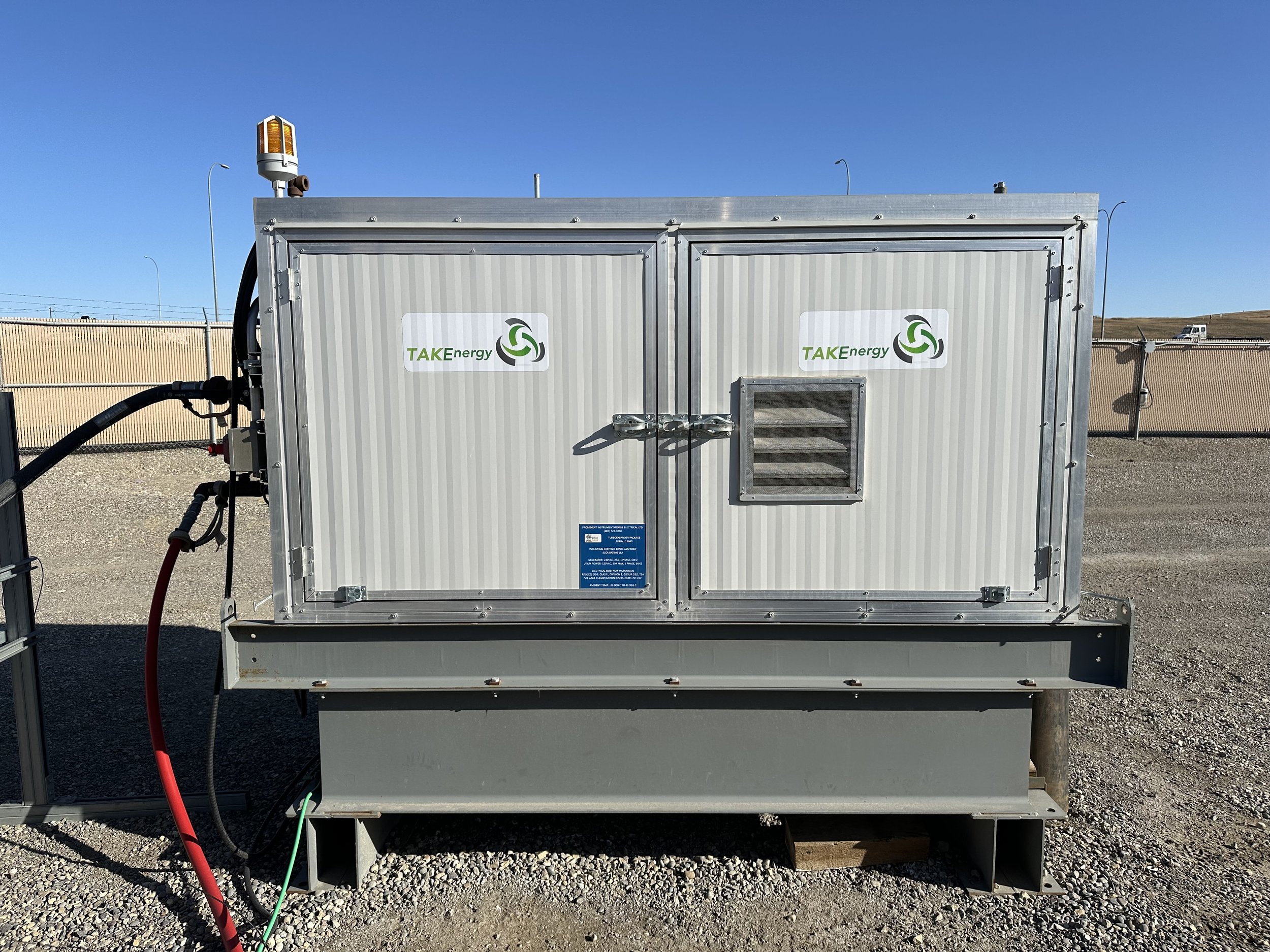
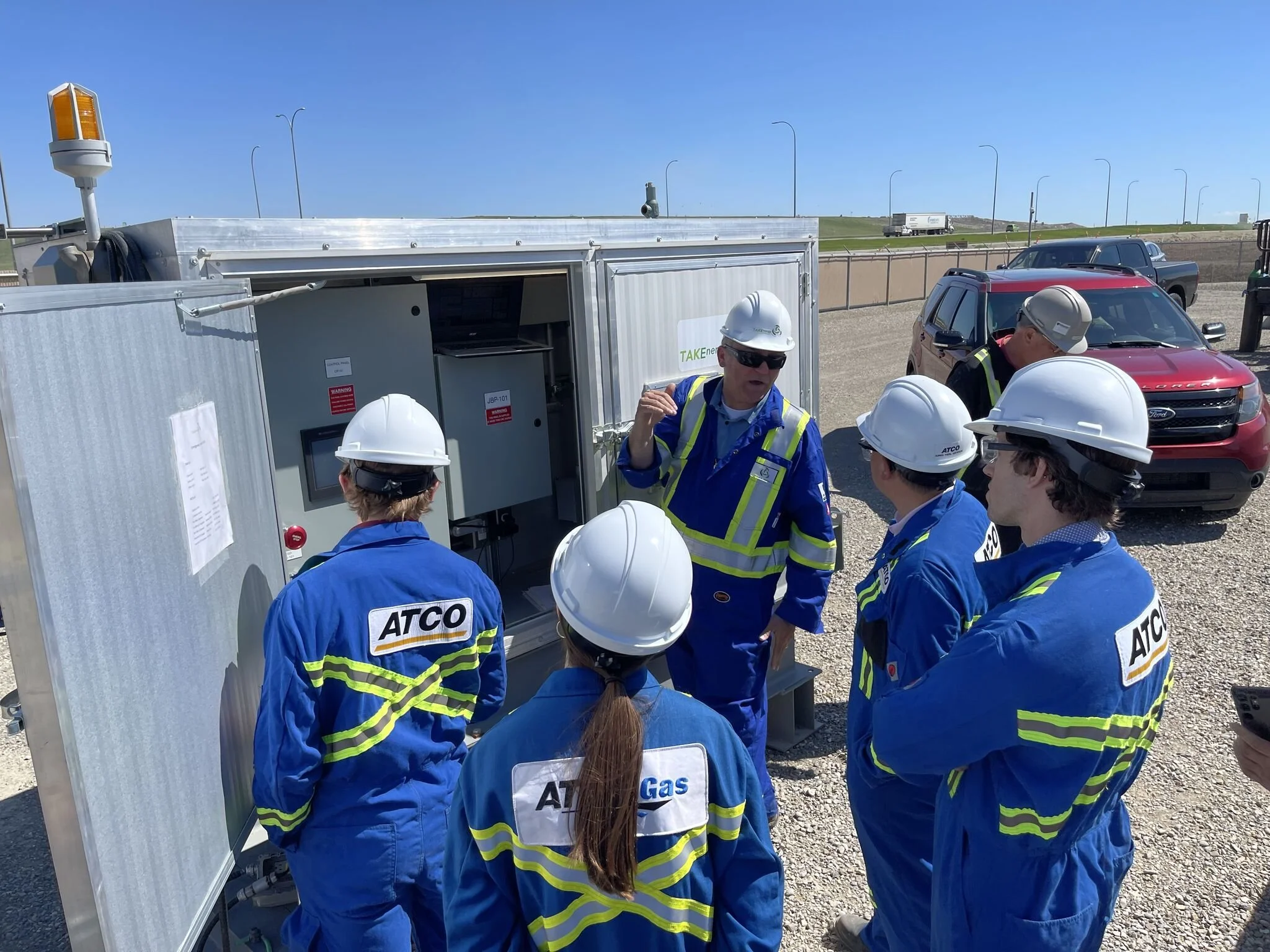
We currently have a demonstration project underway with ATCO, where we’re using a small slipstream, just 1–2% of the gas flowing through their station, to generate enough electricity to power the site. We recently achieved 8600 hrs of run time on our first prototype, which is equivalent to a year of continuous operation. It’s a small-scale but powerful showcase for what our expanders can deliver.
Most recently, we’ve been awarded a project through DEC’s Energy Innovation Challenge. This demonstration in the City of Medicine Hat is an exciting opportunity to scale the technology further and showcase its broader potential.
Beyond oil and gas, what other industries could benefit from your expanders?
The beauty of this technology is that it applies anywhere there’s compressed gas that needs its pressure reduced. Natural gas utilities and pipeline operators are the prime candidates, they have clean, dry gas and well-established letdown points.
But the applications don’t stop there. Upstream gas producers are interested because our power can help them install devices that reduce methane venting. And methane is 25 times more potent than CO₂ as a greenhouse gas, so eliminating those emissions is a big win.
We’re also in discussions with petrochemical producers who deal with various process gases. By integrating expanders, they can generate power for specific equipment or reduce their grid draw. Refrigeration, chemical processing, and other industrial processes all have potential applications too.
In short, if there’s a pressure drop, there’s probably an opportunity to recover energy.
Can your expanders be combined with other decentralised energy technologies?
Absolutely.
Energy storage is a perfect fit. Our expanders function much like baseload generation—whenever gas is flowing, they deliver steady, reliable power. When paired with battery storage, they become an even more powerful tool for optimising distribution network performance. In the Medicine Hat project, for example, our expander will be co-located with a saltwater flow battery to strengthen the distribution network by enhancing stability, supporting peak demand, reducing losses and congestion, and improving overall power quality.
This technology has the potential to make a real difference for energy efficiency and sustainability, and we’re looking forward to bringing it to market.
Many organisations now have net zero and carbon reduction targets. How does your technology help them meet those goals?
Because our expanders use a pressure differential, they don’t consume additional fuel, so they are truly net zero. In cases where preheating is needed, we’re still at least 25% more efficient than the best alternative technologies. That efficiency and low-carbon profile make our expanders a very attractive option for companies looking to advance their sustainability and decentralisation goals.
What challenges do you see in scaling decentralised energy, and how are you approaching them?
Regulation is the biggest challenge. In many cases, we can only generate enough power for on-site needs, even though we could produce significantly more. Regulatory barriers can often act as a disincentive, preventing gas utilities from generating and selling excess power.
This limits adoption, and the rules vary from province to province and state to state. From an Alberta perspective, there are definitely roadblocks. Overcoming this will likely require regulatory or legislative change. That’s why working with groups like Decentralised Energy Canada is important to us, we want to raise awareness of the issue and help shape frameworks that support adoption of clean, decentralised solutions.
Looking ahead, what’s next for TAKEnergy?
Three things stand out for us right now:
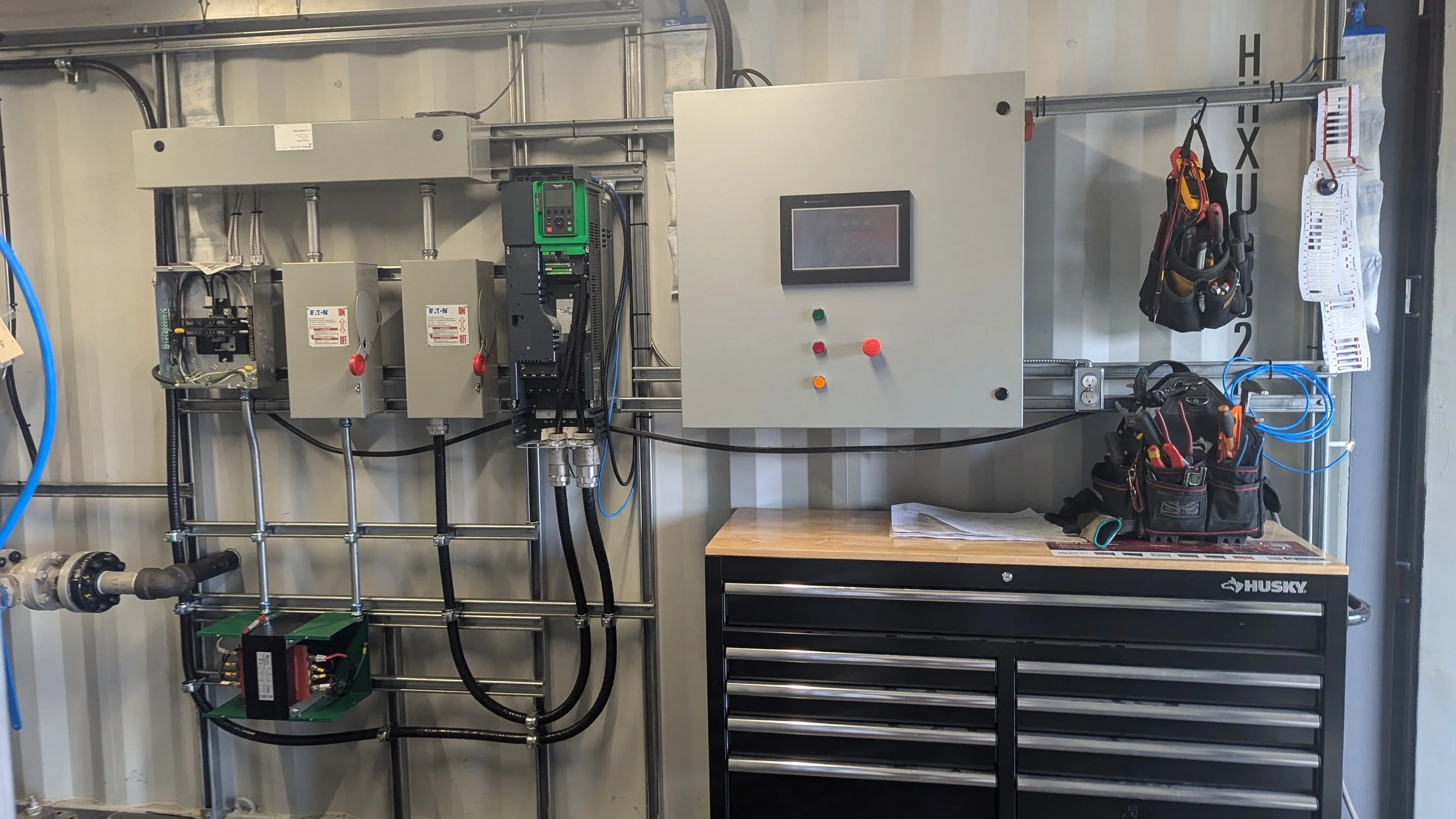
Scaling the technology – Through the Energy Innovation Challenge, we’ll be moving from our current 6 kW units up to 25 kW systems. That’s almost five times larger and will demonstrate our ability to generate grid power. We’ll also be charging Aqua-Cell Energy’s saltwater flow batteries, another winner in the challenge, which we’re excited to support.
Launching a new testing facility – We are opening a facility supported by funding from Alberta Innovates and NRC-IRAP. This will let us simulate client conditions, test different pressures and flows, and advance future versions of the technology.
Commercial rollout – Until now, our units have been demonstration models with robust monitoring and data collection. The next step is delivering a cost-competitive commercial product, streamlined, reliable, and designed for customer needs.
Those three priorities: scaling up, advancing R&D, and commercialising, are our focus for the immediate future.
Final thoughts?
We are excited to keep moving forward. This technology has the potential to make a real difference for energy efficiency and sustainability, and we’re looking forward to bringing it to market.