Smarter Emissions, Cleaner Energy: How VL Energy Is Using AI to Power Decentralisation
Source: Patricia Faucher | · DEC · | June 2025
Across industries, companies are under growing pressure to cut their carbon footprint, meet regulatory targets, optimise energy use, and embrace more sustainable ways of operating. VL Energy, one of DEC’s newest members, is helping to make that possible.
By delivering AI-powered, real-time emissions monitoring, the company is enabling operators to move beyond reactive reporting and take proactive control of their energy systems. DEC sat down with VL Energy to learn how their technology is reshaping emissions management—and supporting the broader push toward decentralised energy solutions.
“By providing real-time insights, we enable facility operators and asset owners to proactively optimize and manage their systems’ energy use.”
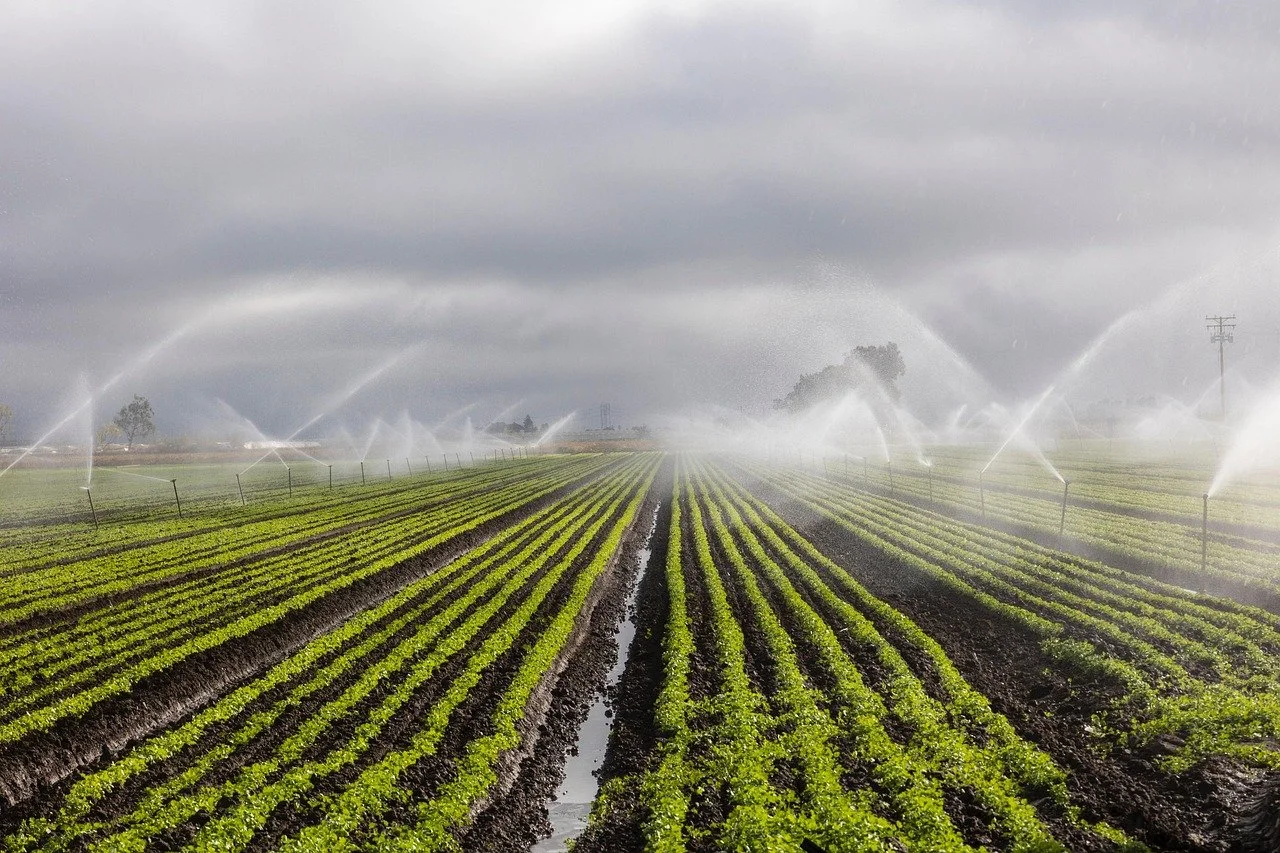
Image by u_cq5nour74s from Pixabay
What inspired VL Energy to focus on predictive emissions monitoring and energy optimisation in the first place? How does decentralised energy fit into your vision?
Our story began with our founder, Ling Bai, who launched VL Energy in 2014 after working extensively in emissions management at companies like Canadian Natural Resources Limited (CNRL) and Kiera Energy. She saw a real need for accurate, data-driven solutions to help operators stay compliant and understand their emissions in real time.
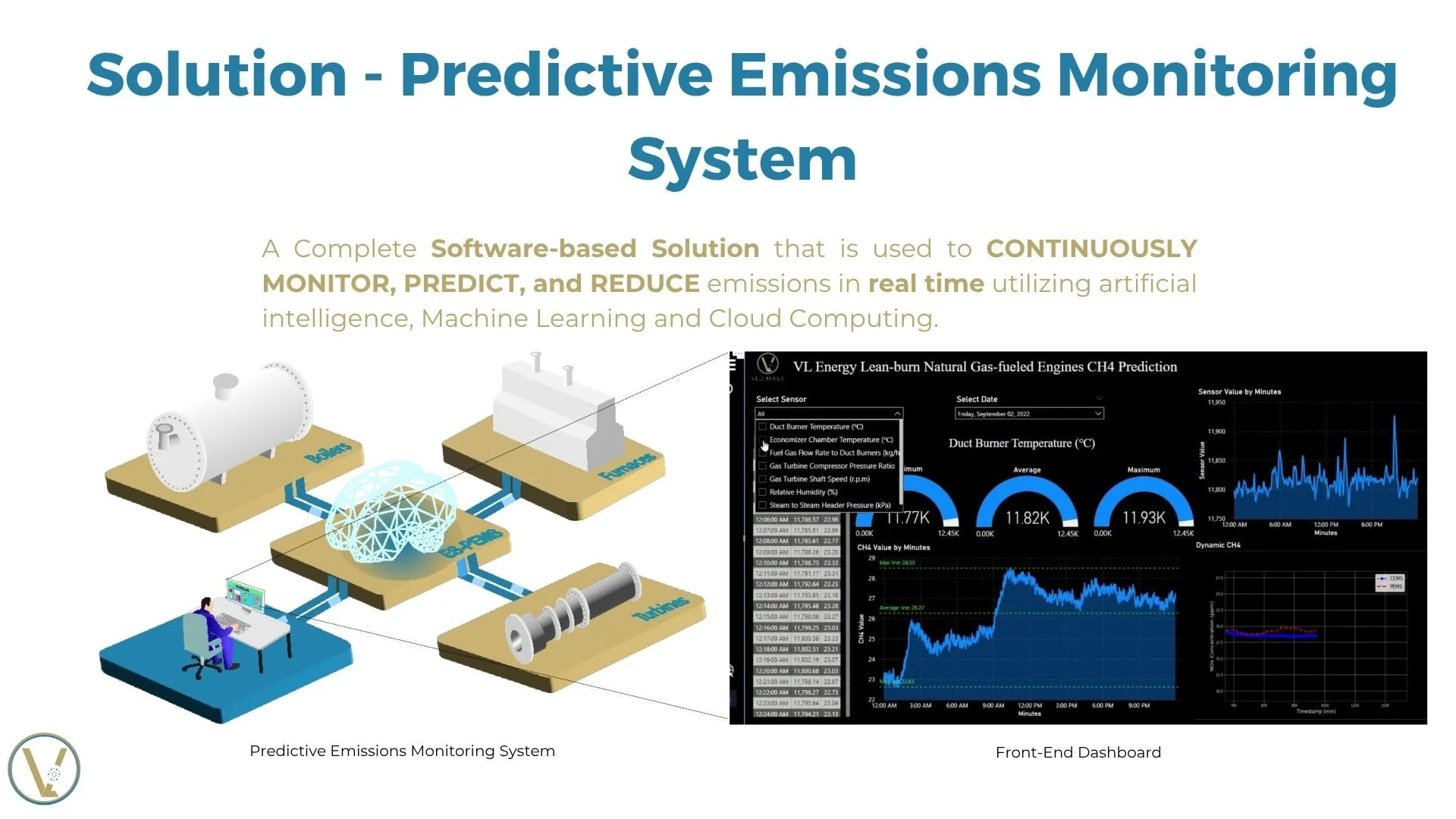
In 2020, we develop our predictive emissions monitoring system (ES-PEMS). This digital-first approach now helps operators across sectors (from oil and gas to agriculture) with the transparency and insights they need to optimise equipment and reduce emissions.
Decentralised energy fits into our mission perfectly. We empower operators and asset owners with real-time data and insights to take control of their systems, plan for future retrofits, and improve operational efficiency, all of which are important components in advancing the adoption of decentralised energy solutions.
Can you explain how your ES-PEMS solution works, and how it supports decentralised energy adoption?
We’re the first software system in Canada approved by the Alberta Energy Regulator as a replacement for hardware-based monitoring.
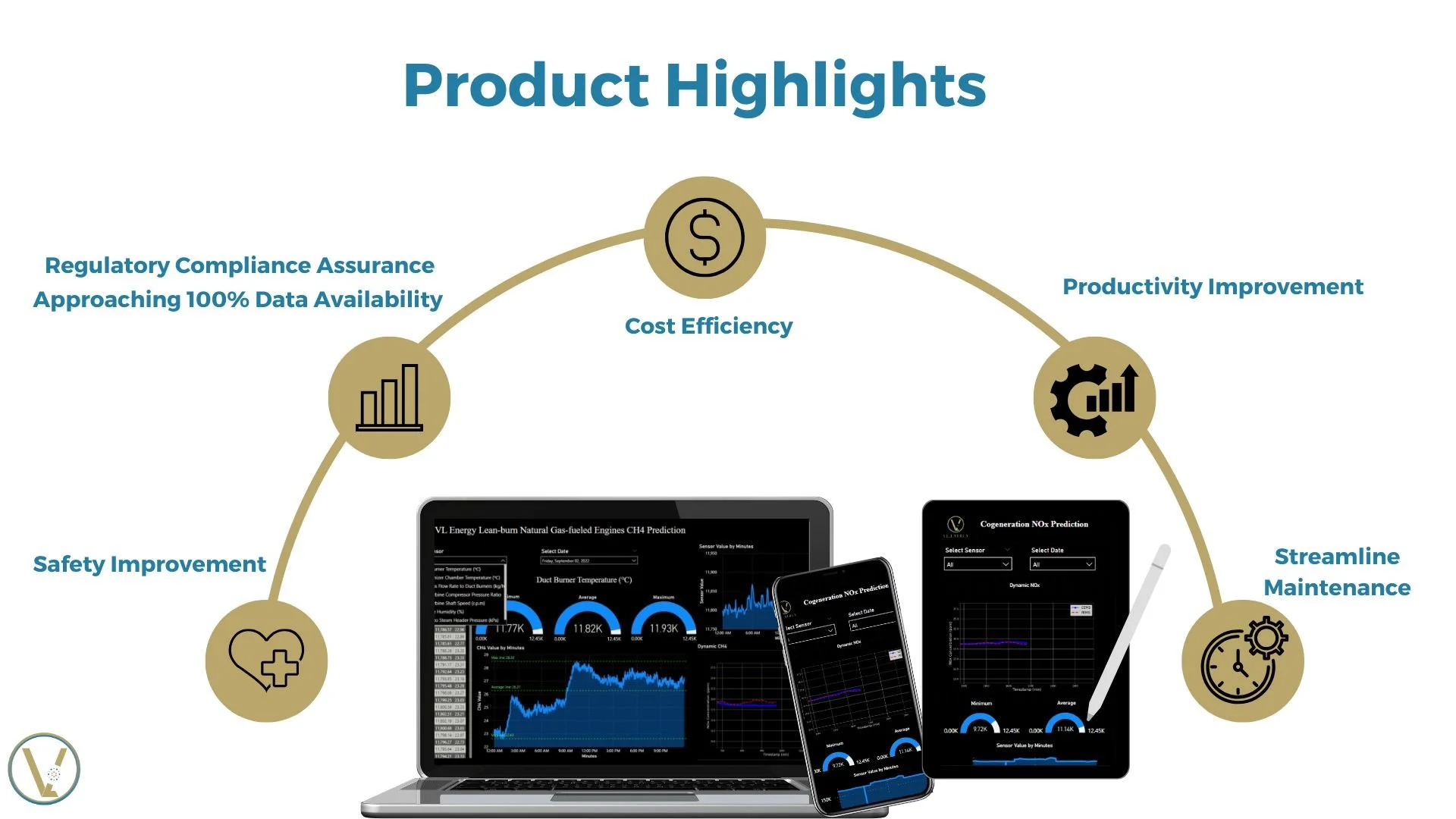
Our ES-PEMS solution is entirely digital, powered by AI and machine learning to capture and analyze data directly from existing infrastructure. Our software adapts to different settings, from greenhouses to municipal facilities, and provides continuous real-time emissions insights.
By providing real-time insights, we enable facility operators and asset owners to proactively optimize and manage their systems’ energy use. This supports the broader shift toward decentralisation, as industries and communities are seeking greater control over their energy consumption.
We see that real-time data is key for decision-making, whether it’s a large industrial site or a smaller facility. Our technology helps operators pinpoint inefficiencies and take action, rather than relying on static information like utility bills. For regulated industries, we replace hardware-based monitoring with a more flexible, data-driven approach.
Can you share real-world examples of how your solutions have improved efficiency or sustainability while contributing to carbon reduction efforts?
Yes! Right now, we’re working on a 15 MW & are currently deploying on a larger 900 MW power generation facility project. Our tool is helping facility operators identify opportunities to reduce emissions and optimize performance using the existing infrastructure, without requiring costly retrofits.
Our focus is on helping operators reduce emissions and stay compliant with regulatory requirements. While carbon tax credits and incentives are part of the bigger picture, our main role is providing the data and insights they need to meet health, safety, and production goals.
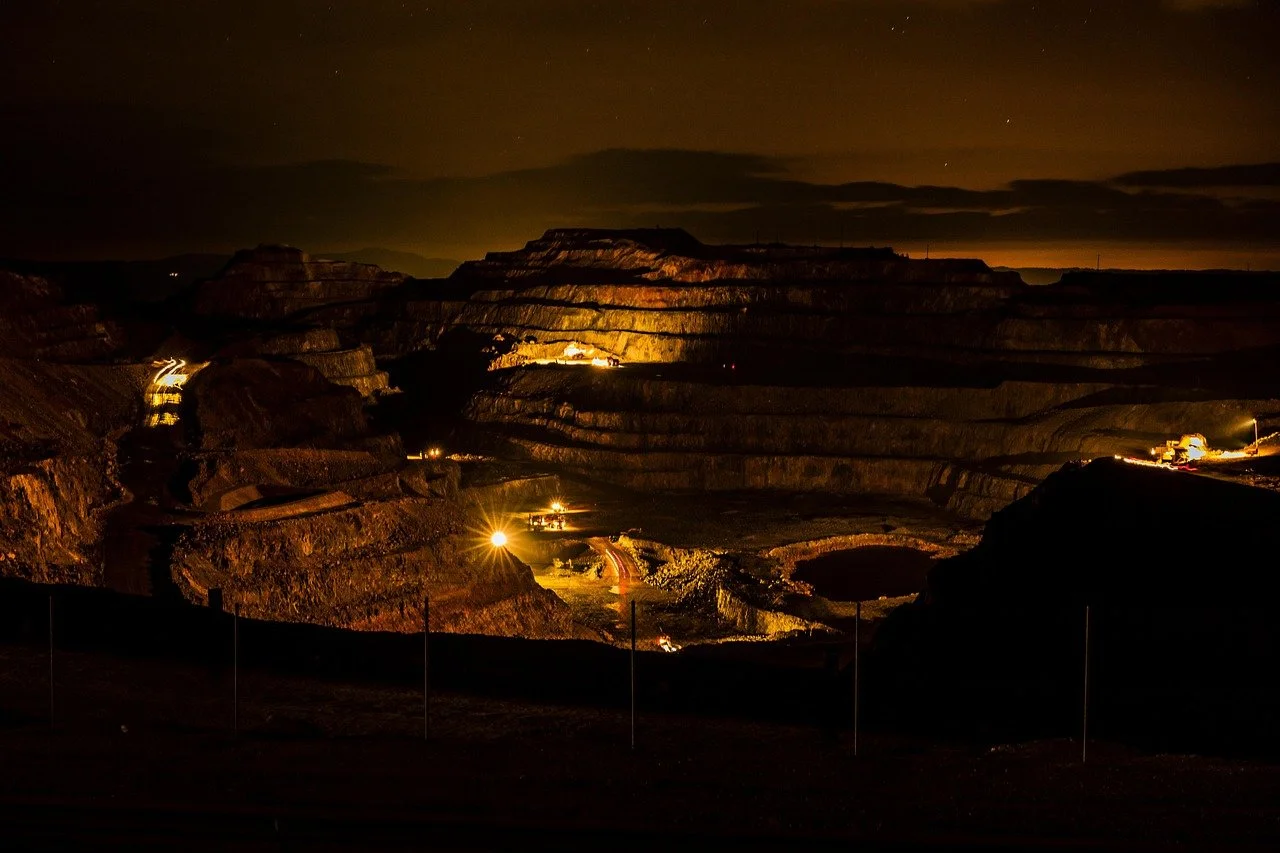
“We’re scaling our technology to new sectors... power generation, mining and other sectors where emissions data and digital insights can drive real impact.”
Image by Manuel Cortés Núñez from Pixabay
What’s next for VL Energy?
We’re scaling our technology to new sectors. For example, we recently received a $2.2 million grant from Emissions Reduction Alberta to scale into the agriculture sector. We’re also exploring ways to support municipalities in reducing emissions and improving their existing infrastructure and sustainability practices.
The immediate priority is commercialising our work in agriculture, thanks to the new grant, but we’re also expanding into power generation, mining and other sectors where emissions data and digital insights can drive real impact.

Management team at VL Energy