
Microgrids: Decentralized Power That’s Central to the Energy Transition
Source: Darrell Proctor | · POWER MAGAZINE · | June 11, 2025
Resilience, sustainability, cost savings, and more are behind the increasing adoption of microgrids, as a variety of industries and enterprises seek greater control of their energy supply.
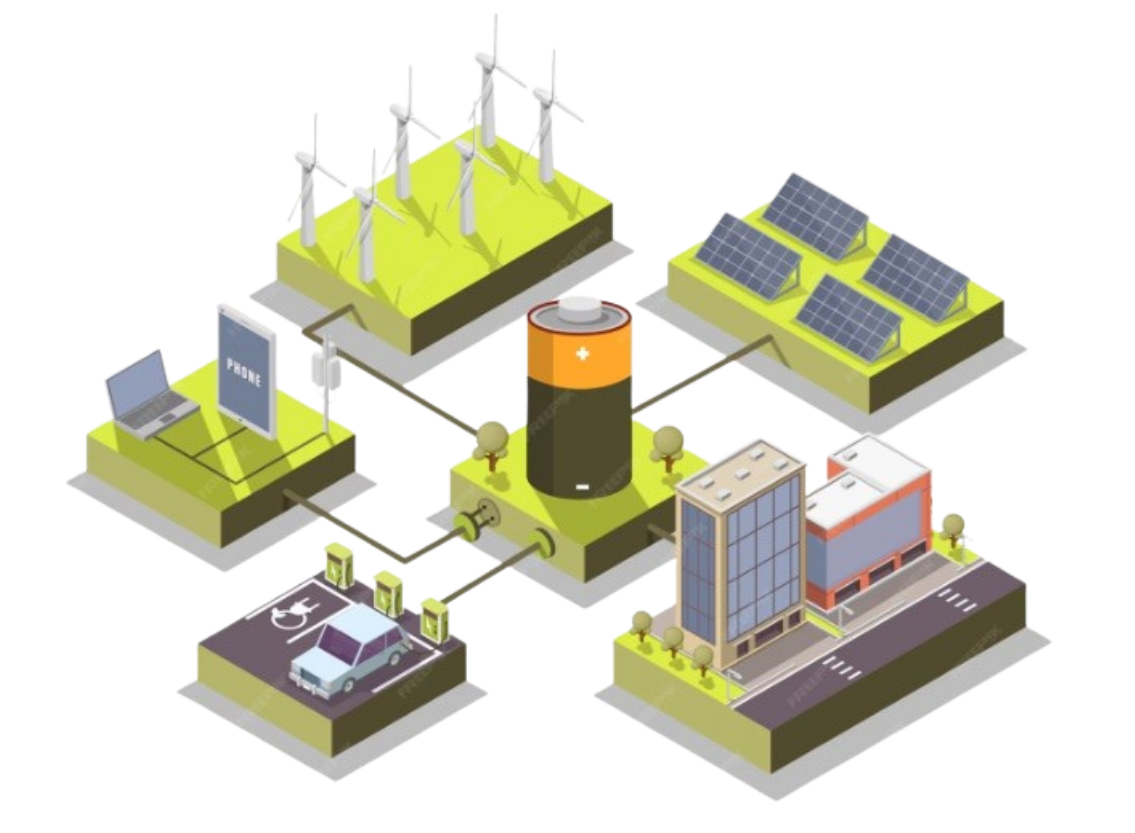
Microgrids have been an integral part of the energy transition, supporting the growth of decentralized power generation. The legacy of power generation has been large, centralized power plants, providing electricity to a wide area. The advent of microgrids brought energy to areas without transmission lines, and they’re now an important source of backup power, in many cases supporting critical operations in need of a constant, reliable supply of electricity. Some microgrids use fossil fuels, including natural gas and diesel, and the systems have helped support renewable energy by utilizing solar and wind power, along with battery energy storage systems (BESS).
Organizations of all kinds are turning to microgrids and distributed energy resources not only for onsite power but also for financial and sustainability benefits. Government agencies, military bases, nature preserves, agricultural enterprises, and more are utilizing microgrids to gain control over energy costs, and to have power in remote areas where access to energy is limited or nonexistent.
“Unlike traditional grids that rely on large, centralized power plants, microgrids operate as self-contained networks that can generate, store, and use electricity onsite. This ability allows them to maintain operations independently from the main grid during power outages or when energy demand surges, helping balance the larger grid,” said Bin Lu, executive vice president of Power Products at Schneider Electric (Figure 1). “Microgrids also offer the flexibility to integrate renewable energy sources, like solar and wind, as well as battery storage, adding a layer of energy resilience and independence while helping meet decarbonization goals.