Q&A EdgeTunePower on Grid Innovation, AI, and the Future of Decentralised Energy
Source: Patricia Faucher | · DEC · | August 2025

EdgeTunePower (ETP) is pushing the boundaries of grid innovation. From off-grid hydrogen production in California to net-zero community projects in Ontario, the company combines advanced simulation, AI-driven control systems, and hardware expertise to modernize power systems and accelerate the transition to decentralised energy. DEC sat down with founder Arman Ghasaei to talk about ETP’s journey, their work with projects like the Lancaster Clean Energy Center, and why Canada needs to embrace innovation to stay ahead.
Origins and Growth
What’s your story? How did Edge Tune Power begin?
My name is Arman. After completing my PhD at the University of Toronto, I founded EdgeTunePower (ETP). We’re a high-tech company that provides hardware and software solutions for large-scale power plants, microgrids, renewable-based systems, and EV charging stations. Our services range from simulation and consulting to full hardware-software integration. While we are based in Canada, most of our projects are currently in the United States, and we’re looking to gain more traction in Canada with the support of DEC.

You mentioned that ETP has more business in the United States. Why is that?
The energy landscape in the U.S. is more deregulated, with utilities more open to collaboration. They’re willing to work with outside experts and focus on know-how. In Canada, we’ve found utilities more closed to outside innovation. It’s about regulation and culture. U.S. utilities are incentivized to collaborate and experiment. In many Canadian provinces and territories, we’ve seen slower grid modernization. Alberta, Saskatchewan, and Ontario are adapting faster because they are facing greater challenges due to rising demands and changes in electricity generation supply mix.
Our business is seeing more uptake in Ontario and Saskatchewan and there are clear indications that Canadian utilities are embracing innovation to help overcome grid constraints and Distributed Energy Resource (DERs) integration.
Notable Projects and Impact
Can you tell us about one of your biggest projects?
One of our largest projects is the Lancaster Clean Energy Center in California, an off-grid hydrogen production facility. In Canada, we handled system simulations and supported battery integration into London Hydro’s first net-zero urban community with a microgrid in London, Ontario. This project is a showcase for sustainable communities which incur minimal negative impacts on the environment, and provides an example of Canadian leadership in the field of integrated smart energy system technologies (part of the West 5 Smart Grid project).
Technology and Expertise
What industry challenge does ETP’s technology address?
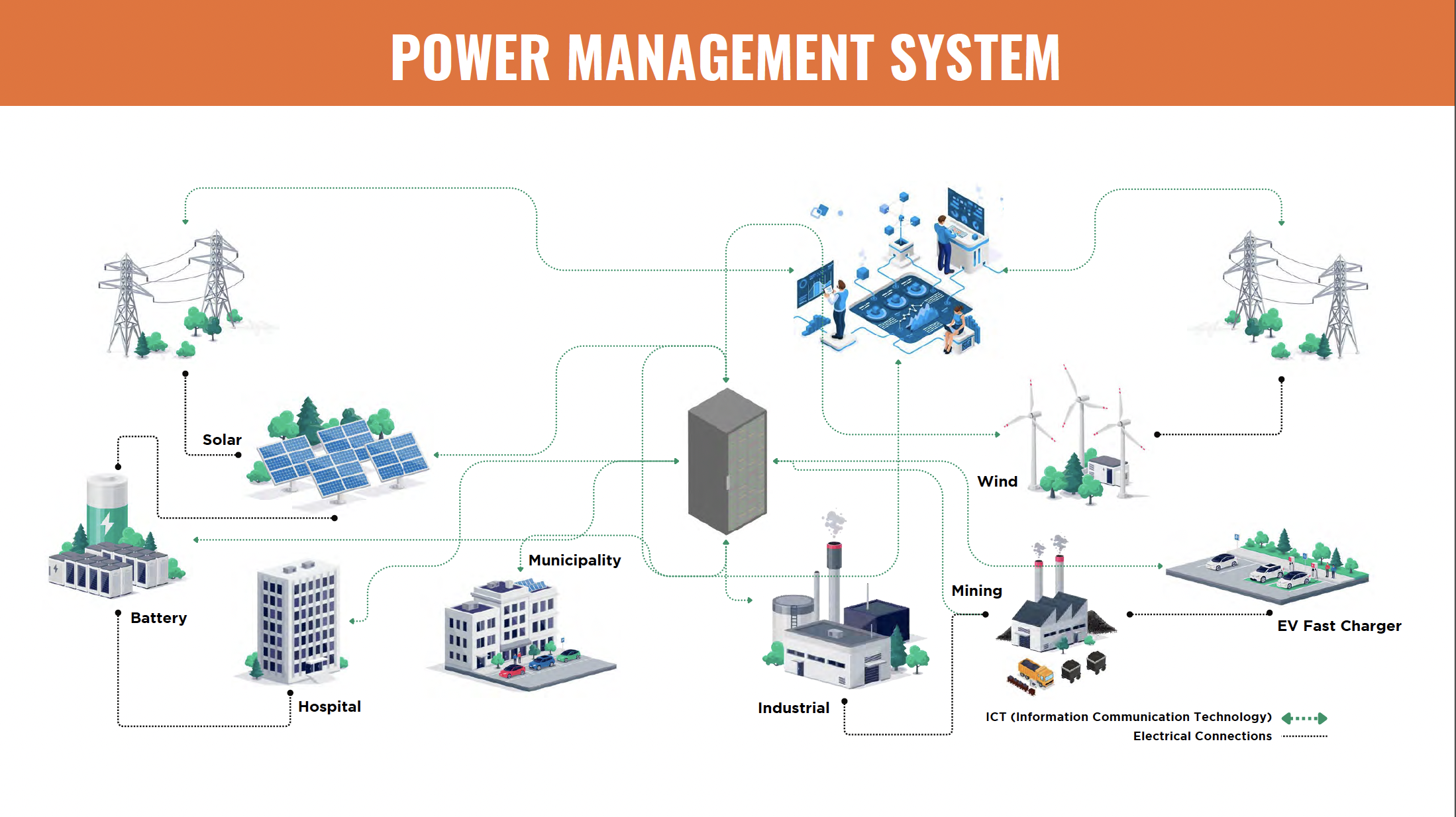
Our mission is grid modernisation. Demand is increasing due to data centres, mining and transportation electrification, and renewable integration. Traditional infrastructure upgrades are expensive, so battery energy storage systems (BESS) are being deployed as a flexible alternative. However, these systems often encounter technical issues when installed.
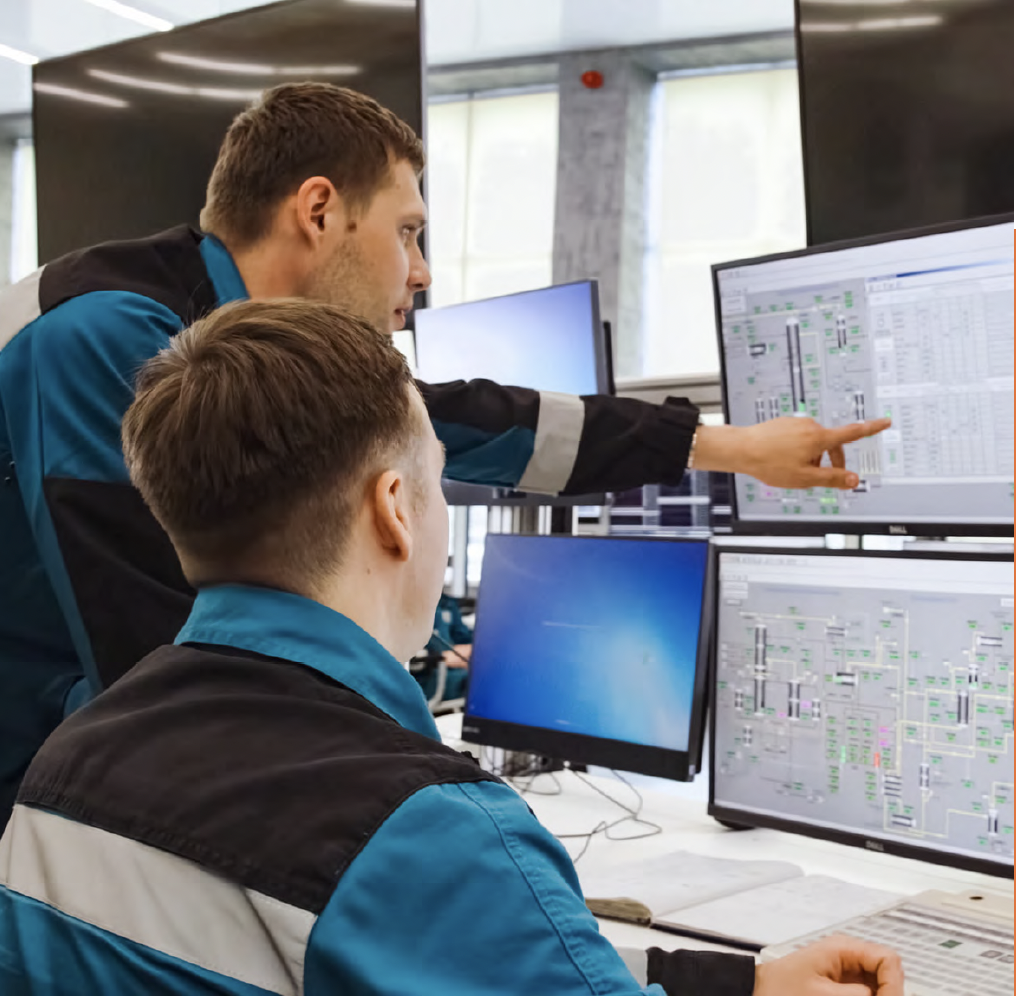
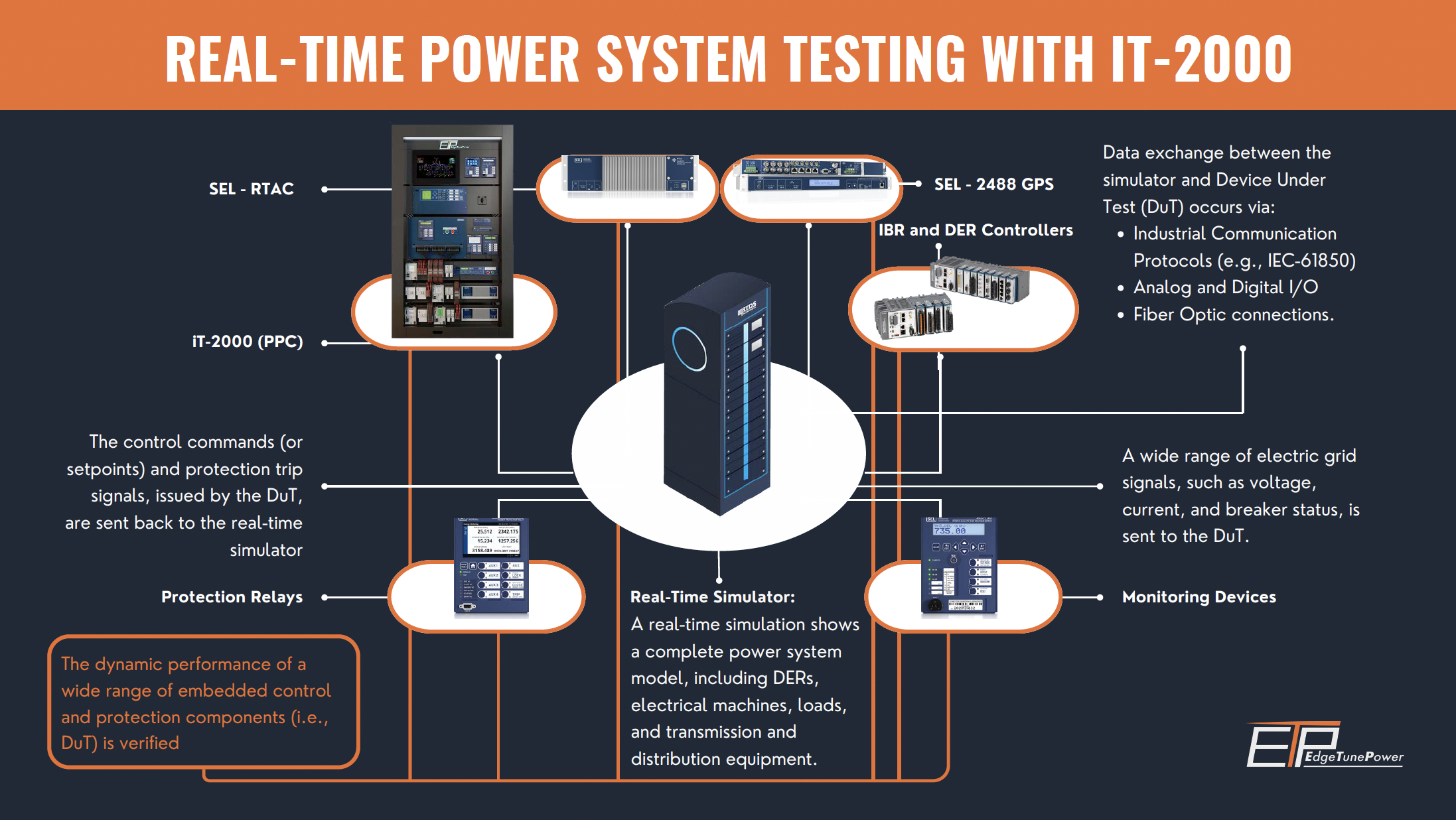
The key issue is that most projects rely only on software simulations without physically testing the actual controllers. This can lead to real-world performance gaps. Our approach uses hardware-in-the-loop simulation: testing actual controllers on a real-time simulator before they are deployed. We use platforms like Real-Time Digital Simulators to achieve this. This reduces risk, saves time, and optimises performance.
How big is your team now?
We’ve grown to a team of 10 engineers. We’ve bootstrapped our way to nearly $1 million in revenue and are now looking for strategic investors to accelerate growth. This would help us scale our business and support our participation in major events like Distributech in the U.S. and the Decentralised Energy Forum in Canada.
What sectors are benefiting most from your solutions?
Our solutions serve power plants, data centres, mining operations, transportation, hydrogen production facilities, and water treatment plants, anywhere that requires high reliability and optimised distributed energy resource integration.
AI and Innovation
How does AI play a role in your solutions?
AI is a growing part of our energy management systems. For example, in day-ahead and real-time energy markets, we integrate AI to help asset owners make faster, more profitable decisions. We’re comparing AI-driven approaches with traditional optimisation methods using our high-fidelity simulator. This work is partially funded by NRC-IRAP, for which we are very grateful for.

We integrate AI to help asset owners make faster, more profitable decisions. Our high-fidelity simulator allows us to compare AI-driven approaches with traditional optimisation methods.
Can you share a standout project in Canada?
The London Hydro West 5 Net-Zero Energy (NZE) community with a microgrid in London, Ontario stands out. It was one of the first feeders in the region to host a battery system. We helped London Hydro understand how the battery would behave, its impacts, and provided control systems for safety and reliability.
One of our largest projects is the Lancaster Clean Energy Center in California, an off-grid hydrogen production facility. In Canada, we contributed to London Hydro’s first net-zero urban community.
Challenges and Opportunities
What do you see as the biggest challenges when integrating distributed energy resources (DERs)?
DERs behave differently from the traditional generation. Utilities need to anticipate these impacts on the grid. Our expertise lies in simulating those impacts and testing control systems in advance, ensuring projects are on time, on budget, and technically sound.
Looking Ahead
What innovations are you most excited about?
We’re excited about our AI-based energy management platform and the opportunities in data centres. We recently measured a data centre going from 6 MW to 30 MW in under 400 milliseconds. These challenges need smart solutions, and that’s what we’re working on.
What’s next for EdgeTunePower?
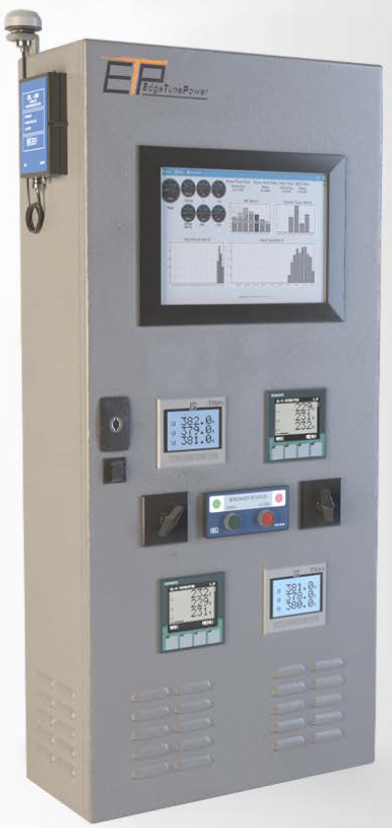
We’re close to deploying our iT-2000 platform for a large data mining and data centre project. This will be a significant milestone and a game changer for data centre energy management. We offer three different platforms, the iT-2000 is the largest.
We also are shifting our product portfolio from simulation and services to product sale. We have sold one of our iT-500 (Power-Plant-Controller (PPC)) in Canada for a utility for operation of a 100-MW solar-PV plant, and one of our iT-1000 (Power-Management-Systems (PMS)) for operation of data mining in Oman.
Most projects rely only on software simulations without physically testing the actual controllers. This can lead to real-world performance gaps. Our approach reduces risk, saves time, and optimises performance.
We are looking for a synergistic investor to join our family at ETP and help us grow faster at proper dilution.
Any final thoughts?
Canada has the talent and the potential to lead in decentralised energy, but we need greater collaboration, openness to innovation, and modernised infrastructure to get there. At EdgeTunePower, we’re excited to be part of that journey.

Canada has the talent and the potential to lead in decentralised energy, but we need greater collaboration, openness to innovation, and modernised infrastructure to get there. At EdgeTunePower, we’re excited to be part of that journey.