Decentralized Data Storage: Unlocking Sustainable Digital Infrastructure
Source: Soheila Yalpani, | · FORBES · |October 22, 2024
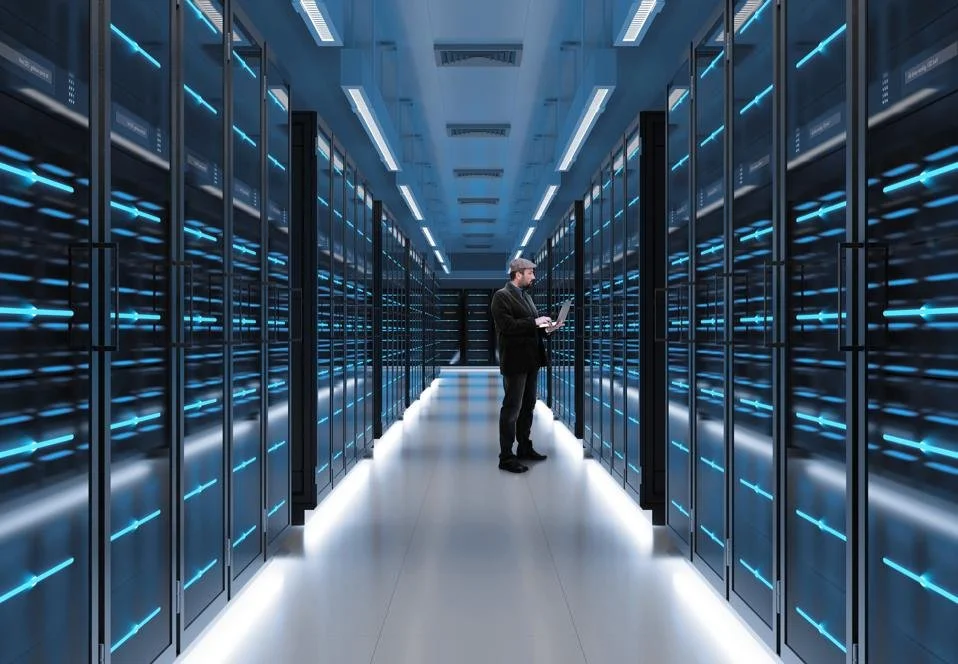
As the demand for data storage continues to surge, driven by cloud computing, IoT, AI and big data applications, the energy consumption of centralized data centers has become a significant environmental concern.
Data centers currently account for around 1% to 1.5% of global electricity use, and this is expected to increase to as much as 3% to 4% by 2030, according to Goldman Sachs Research. One alternative is decentralized data storage, which leverages distributed systems to address sustainability challenges and reduce reliance on large, energy-intensive data centers. Based on my experience as a leader in the data storage sector, let's take a closer look at both centralized and decentralized data centers, as well as steps you can take when considering the shift to decentralized methods.
Centralized Data Centers
Centralized data storage remains a popular method due to its simplicity and control. It allows for simple data management, backup and security, with consistent policies across all data. This approach also supports scalability and reliable access, making it a popular choice for growing businesses while helping to ensure regulatory compliance and data integrity.
However, centralized data centers are major contributors to global energy consumption. In 2022, they used over 200 terawatt-hours (TWh) of electricity annually. The growing data demand—estimated to reach 181 zettabytes by 2025—will put even more strain on the global power grid.
Cooling systems are a significant part of the problem. Up to 40% of a typical data center's energy consumption is dedicated to cooling servers to prevent overheating. The data center industry also currently produces emissions on par with that of the aviation industry. Even though some companies are investing in renewable energy to offset the environmental impact, the exponential growth of data usage presents serious challenges for achieving sustainability within the current centralized storage paradigm.
Decentralized Data Storage
Decentralized data methods distribute data across a network of nodes, reducing the need for energy-guzzling centralized facilities. Rather than relying on new construction, this approach spreads data storage across multiple devices, which can include smaller data centers or even unused or underutilized storage capacity in existing infrastructure. This can help eliminate the need for massive data centers that need to be powered and cooled continuously.