
bioEnergy Development Announces Decentralized 1 GWh Power-Generation Microgrid for AI Computing and Crypto Hyperscalers
Source: Newswire | · GLOBE AND MAIL · | August 14, 2025
Mobile, modular bioreactors convert wood waste and cattle manure into power-plus carbon-negative products and saleable carbon credits.
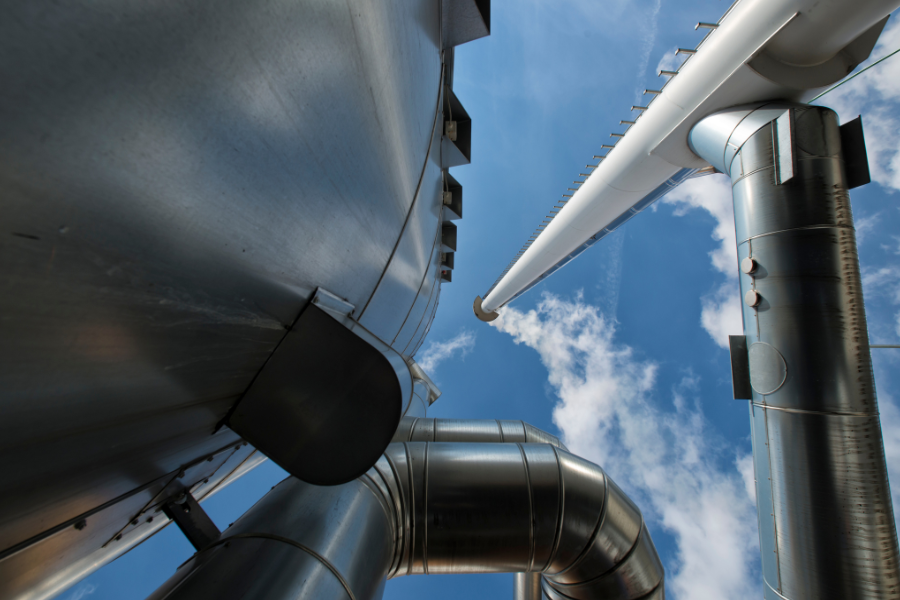
bioEnergy Development Inc. a publicly traded pioneer in mobile, modular waste-to-energy systems, today unveiled a decentralized microgrid platform for AI computing and crypto mining powered by the Company's bioReactor. Lab and field-tested on wood residues and a cattle manure stream, the decentralized system can supply approximately 1 GWh of net, dispatchable electricity-creating a local, scalable baseload without waiting years for centralized micro nuclear power generation.
"AI and High-Performance Computing ("HPC") need reliable, price-certain power now," said Gary Bartholomew, Chairman & CEO. "Our containerized bioreactors turn various biomass and residuals into watts at the source-solving grid constraints while cleaning up two of the hardest waste streams on the planet."
Waste to Watts-and Carbon Removal
Each factory-built 40′ container (stackable or mobile) converts biowaste into three value streams:
Syngas → electricity/heat for behind-the-meter microgrids or export;
Biochar for durable carbon sequestration and soil performance;
Biocarbon, high-grade and specialty carbon replacement products
Soil amendment additives supporting soil pH, reducing invasive species in reclaimed lands, and post forest fire
Excess biochar blended with bio-stimulants is structured for high-quality carbon removal credits targeting enterprise buyers seeking verifiable offsets. Leading technology companies have publicly committed to purchasing durable carbon removal; bioEnergy's products are being prepared for that market.
A parallel wood-waste pathway delivers comparable output subject to residue availability, enabling a blended, redundant power supply for 24/7 operations.
Why It Matters for AI/HPC & Industrial Campuses
Speed: containerized deployment and rapid commissioning - months, not years.
Low Cost of Operations: Operating cost for power generation is 5-10% of micro-nuclear power generation
Resilience: on-site fuel and islandable microgrid architecture.
Decarbonization: methane avoidance, diesel/grid displacement, and permanent carbon storage in biochar.
Waste: No waste stream produced from power production
Economics: stacked value from power, certified products, and potential carbon-removal credits.