New Research Shows AI-Powered Digital Twins Could Accelerate the Energy Transition
Source: Chibueze Ebii | · DEC · | August 2025
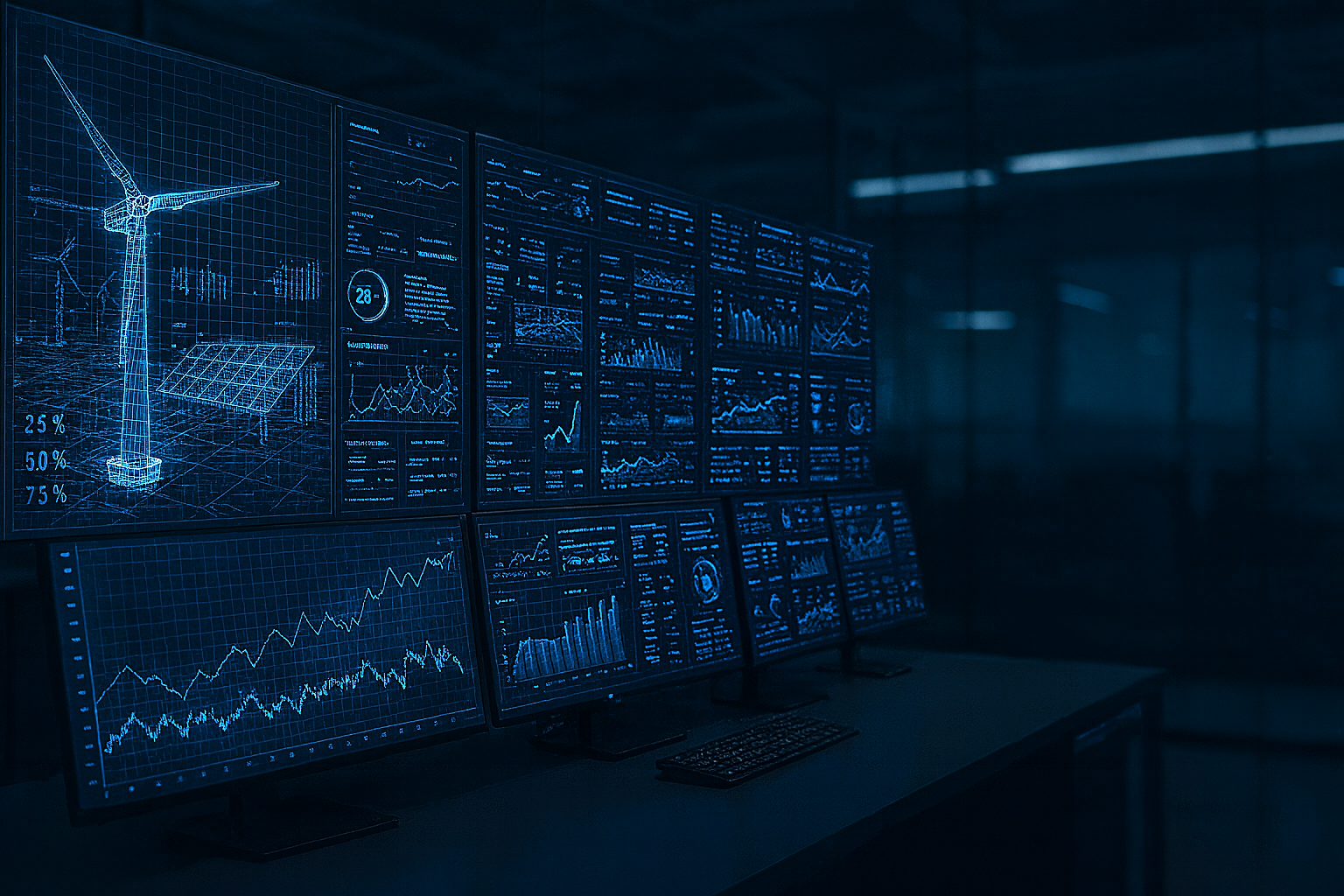
As the world pushes to use more clean energy, scientists are turning to a new tool to speed up the process: AI-powered digital twins.
What is a Digital Twin?
A digital twin is a computer-based copy of a real-world energy system. Imagine a virtual version of a wind farm, solar plant, or hydro dam that runs in parallel with the real thing, using real data from sensors. This allows engineers to test ideas, predict problems, and improve performance without interrupting the actual energy facilities' operation.
How the Research Was Conducted
Researchers at the University of Sharjah studied how AI-powered digital twins are being used in clean energy. The Sharjah team didn't just look at a few projects. They used AI-driven text mining and topic modelling to review nearly 500 scientific papers on digital twins in renewable energy. This gave them a comprehensive view of where digital twins are being applied, what's working, and where gaps still exist.
They organised their findings around four key questions:
Where can digital twins be applied?
When in the lifecycle (design, production, service) should they be used?
Why are they valuable?
How should they be designed and built?
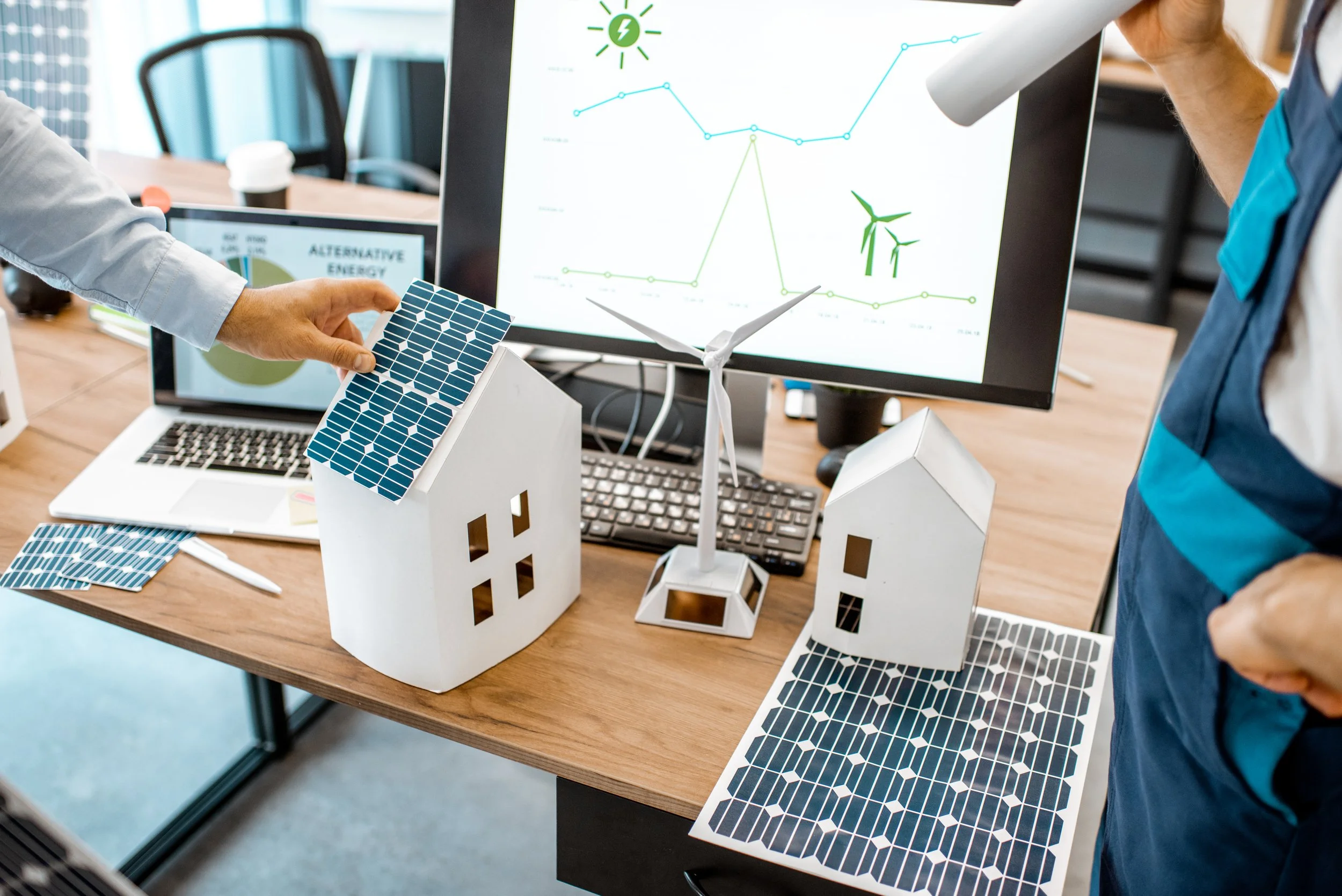
A digital twin is a computer-based copy of a real-world energy system. This allows engineers to test ideas, predict problems, and improve performance without interrupting the actual energy facilities' operation
What They Discovered
The results show that digital twins are promising but not perfect. Each energy source has unique challenges:
Wind: Aging turbines and rapidly changing winds are difficult to model.
Solar: Dust, shading, and gradual wear affect prediction accuracy.
Geothermal: Limited underground data makes simulations less reliable.
Hydro: Water flow and environmental factors like fish migration are challenging to capture.
Biomass: The chemical and supply chain processes are complex to model accurately.
The study also highlights that digital twins aren't just about design, they matter across the entire lifecycle. In the design stage, they allow systems to be tested before they're built. During the production stage, they enable real-time performance monitoring. In the service stage, they help predict maintenance needs and extend equipment life.
Lessons for the Energy Transition
The University of Sharjah team highlights three main takeaways:
Expand the research base – Digital twins are well-studied in solar and wind but less so in hydro, geothermal, biomass, and emerging renewables like tidal and wave energy.
Use them across the lifecycle – Most projects only apply twins at the design or service stage, but real value comes when they are integrated end-to-end.
Standardise the approach – Agreed-upon methods for data collection, modelling, and architecture are needed to make digital twins reliable and widely adopted.
The study also highlights that digital twins aren't just about design, they matter across the entire lifecycle. In the design, production, and service stage, they help predict maintenance needs and extend equipment life.
What This Means for Decentralised Energy
This research is an important signal demonstrating how digital twins could:
Improve reliability
Lower costs
Reduce risks for investors
Help distributed systems connect more smoothly to the grid
But the technology isn't "plug and play" yet. Better data, smarter models, and stronger computing tools are needed before digital twins can truly power the clean energy transition and help us predict, prevent, and optimize decentralised energy systems.
Read full research report here
Join us at the 2025 Decentralised Energy Forum Canada, where leading voices will explore how AI and quantum innovations are reshaping decentralised energy.
This year's theme: "Energy and the Quantum Advantage."
Learn more - https://www.deforum.ca/